Some pieces of jewelry don't simply decorate the body.
They carry history.
Movement.
Memory.
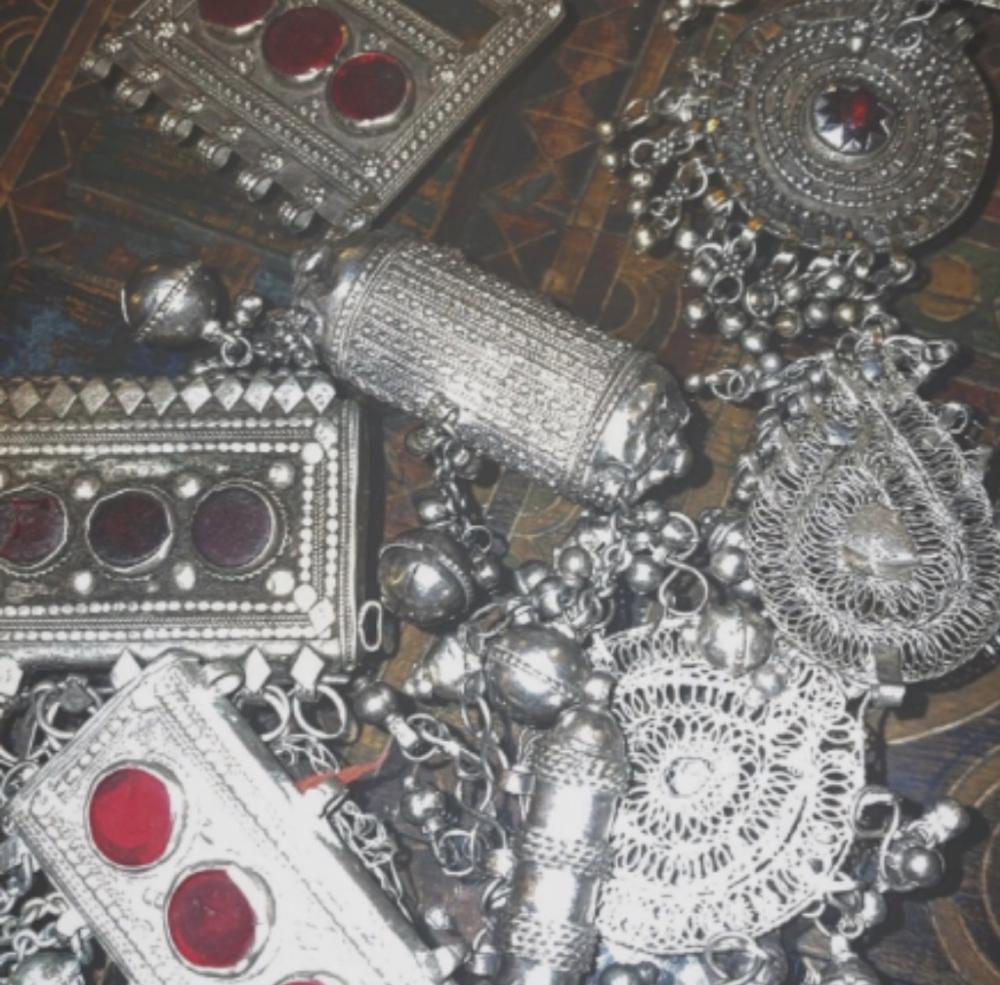
For me, tribal silver has always been one of those things.
The first time I truly looked at it, I wasn't drawn to its shine. I was drawn to its weight.
Its presence.
Its unapologetic character.
Each amulet, bead, and engraved detail seemed to tell a story that had traveled across generations.
And yet, I couldn't help but wonder why we rarely see these remarkable pieces outside museums, heritage books, or archival photographs.
Why don't we see them on today's women?
More Than Ornament
Across the Arabian Peninsula and neighboring regions, tribal silver jewelry was never simply decorative.
For centuries, handcrafted silver necklaces, amulets, bracelets, rings, and earrings were woven into everyday life. They reflected regional craftsmanship, family traditions, social customs, and personal identity.
Many pieces were passed from one generation to the next.
Some were gifted during important milestones.
Others were believed to offer protection or carry symbolic meaning.
In Saudi Arabia, especially among Bedouin communities and across different regions of the Kingdom, silver jewelry became closely associated with traditional dress. Layered necklaces, ornate pendants, and handcrafted silver beads added richness and individuality to garments while celebrating skilled craftsmanship.
These pieces were meant to be worn.
To travel.
To gather memories.
Not simply to be admired from behind glass.
A Different Way of Styling
When I search for tribal silver today, I often find the same imagery.
Museum collections.
Historical documentation.
Vintage portraits.
Women wearing multiple heavy necklaces, stacked bracelets, and elaborate headpieces exactly as they would have been styled generations ago.
Those photographs are incredibly valuable.
They preserve history.
But they also shape how we imagine these pieces.
Sometimes it feels as though tribal jewelry has been frozen in time—as something to study rather than something to wear.
I often find myself asking a different question.
What would happen if we styled these pieces differently?
What if a bold tribal necklace was worn with a beautifully tailored black abaya?
Or a crisp white shirt.
Or soft linen.
Or contemporary evening wear.
Would we begin to see the jewelry differently?
Or would we simply rediscover what was always there?
Heritage Deserves New Conversations
Around the world, traditional craftsmanship has found new life through contemporary fashion.
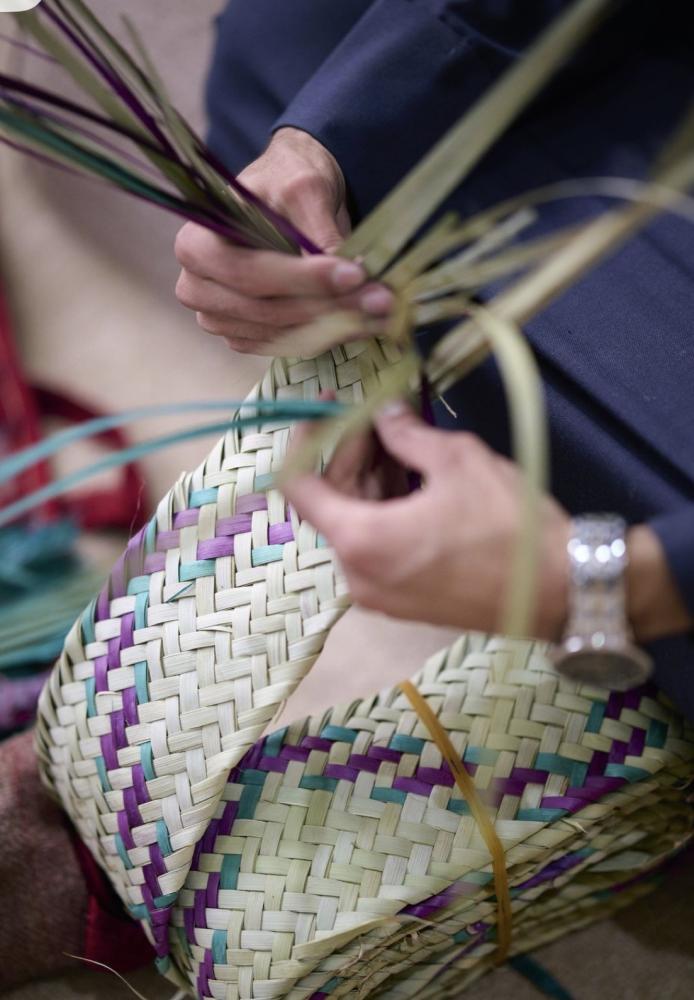
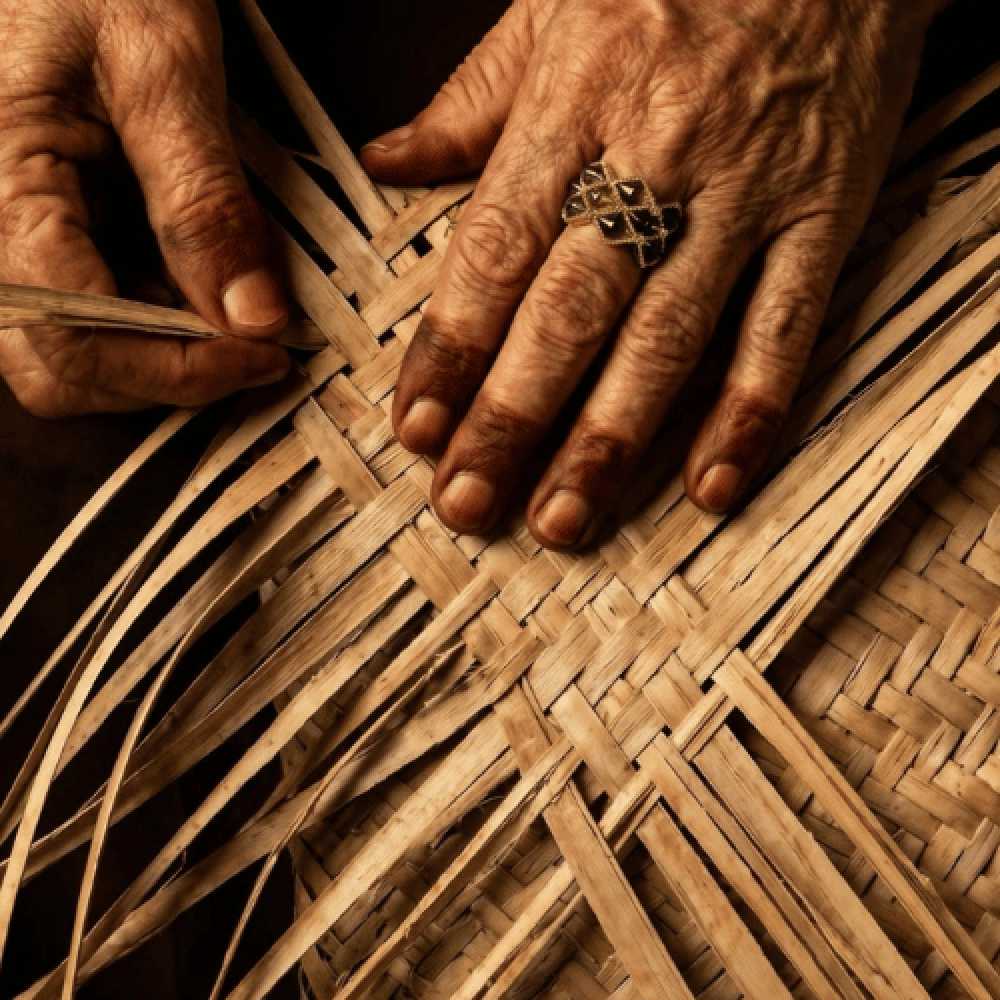
Handwoven raffia.
Vintage textiles.
Indigenous embroidery.
Traditional techniques are constantly being reinterpreted by designers while still honoring their origins.
Perhaps tribal silver deserves the same opportunity.
Not to erase its history.
Not to modernize it for the sake of trends.
But to allow it to continue living.
Because heritage that can only exist inside museums slowly becomes distant.
Heritage that becomes part of everyday life continues to grow.
Celebrating Eastern Beauty
One thing has stayed with me throughout my search for tribal jewelry.
Many of the photographs we encounter present these remarkable pieces almost exclusively through an ethnographic lens.
The focus is often on documenting history rather than celebrating beauty.
I would love to see something different.
I would love to see these necklaces worn by modern women who are confident, creative, and deeply connected to their identity.
Women who appreciate craftsmanship.
Women who see beauty in culture rather than costume.
Women who understand that heritage does not belong only to the past.
Imagine tribal silver styled with contemporary tailoring.
Natural makeup.
Soft fabrics.
Confident posture.
The jewelry wouldn't lose its history.
It would simply begin a new chapter.
Carrying the Story Forward
Perhaps the question is not whether tribal silver is beautiful.
Its beauty has endured for centuries.
The real question is whether we are willing to see it with fresh eyes.
Whether we can move beyond viewing it solely as an artifact and begin appreciating it as wearable art.
At Palm & Pattern, I believe cultural objects deserve to remain part of our lives—not because they are old, but because they still have something to say.
Maybe the future of tribal silver isn't about changing the jewelry.
Maybe it's about changing the way we choose to wear it.
Because some stories are too beautiful to remain in archives.
They deserve to be seen.
And they deserve to be worn.