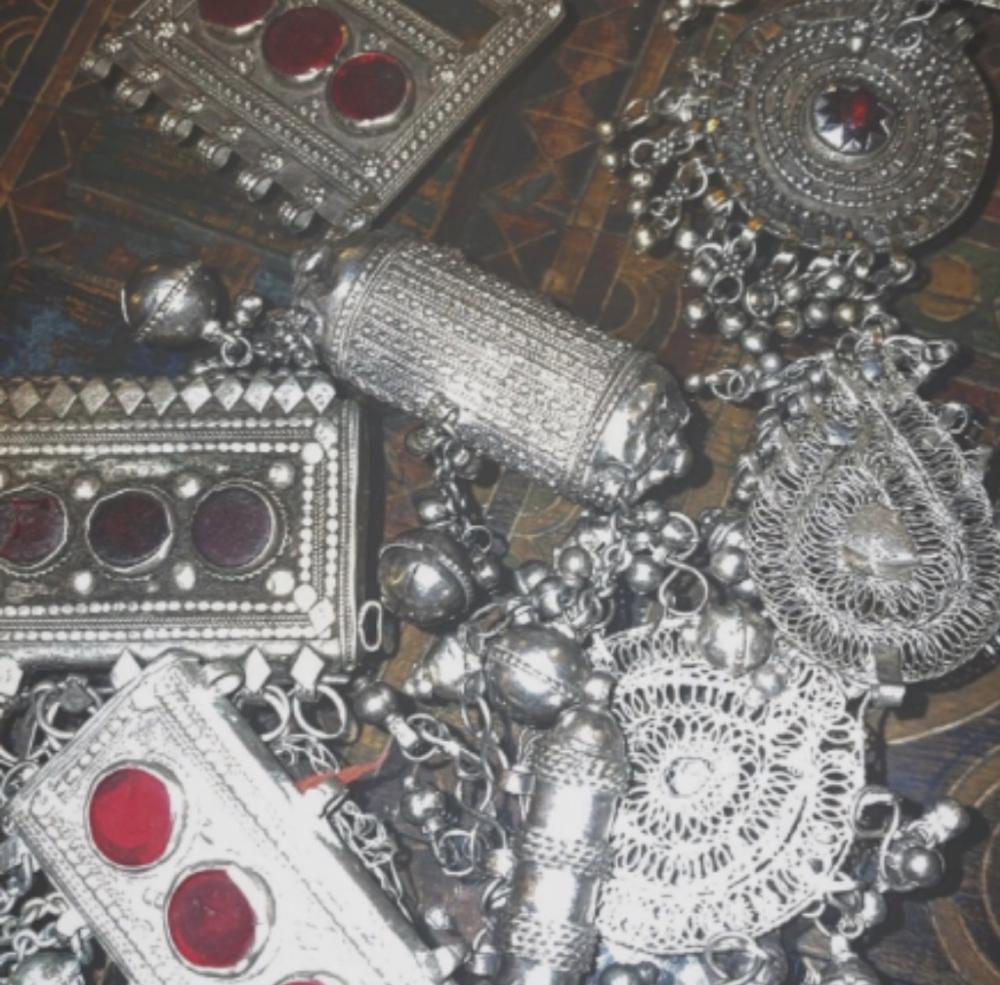
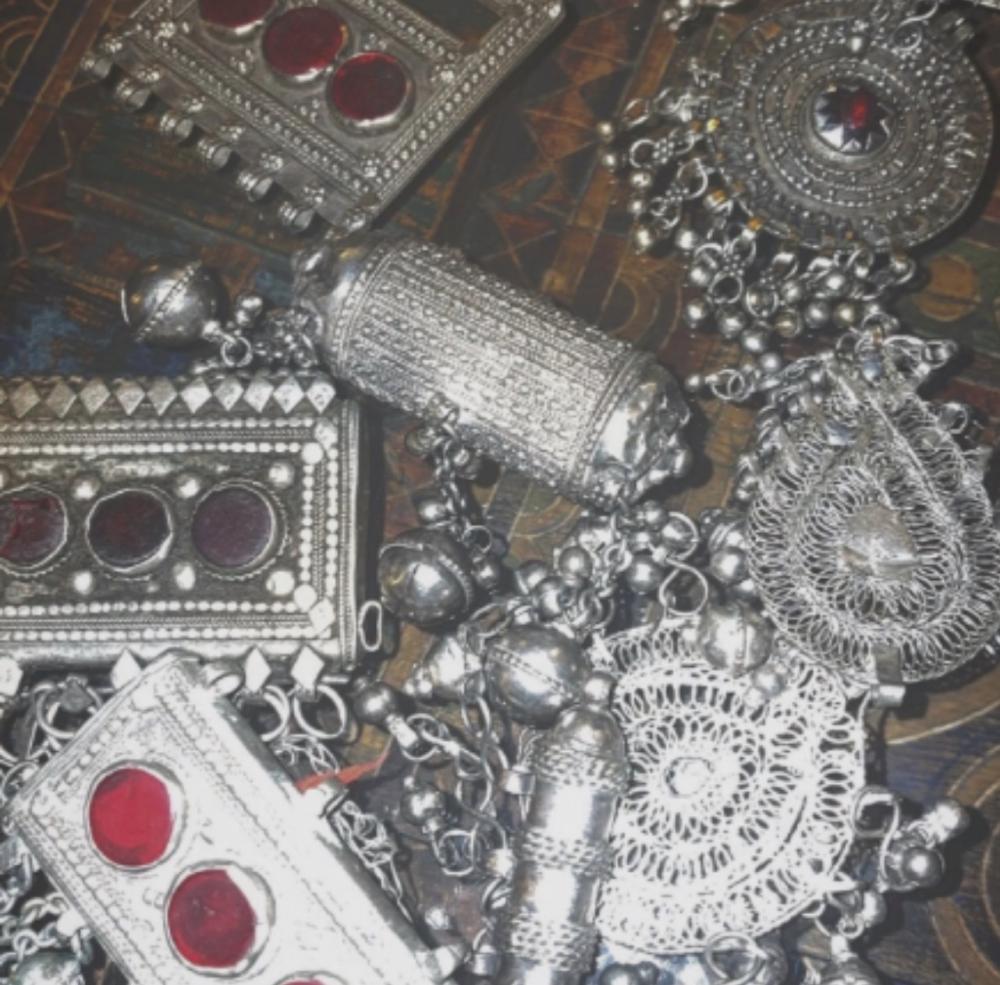
There are some materials that carry more than beauty.
They carry a place.
A memory.
A way of life.
Lately, I have found myself returning to one material over and over again: khous (خوص)—the woven palm fronds that have been part of Saudi life for generations.
What began as simple curiosity has slowly become a question I can't stop thinking about.
Could this traditional craft have a place in contemporary fashion?
And perhaps more importantly…
Should it?
A Craft Rooted in the Palm
Few materials feel as closely tied to Saudi Arabia as the date palm.
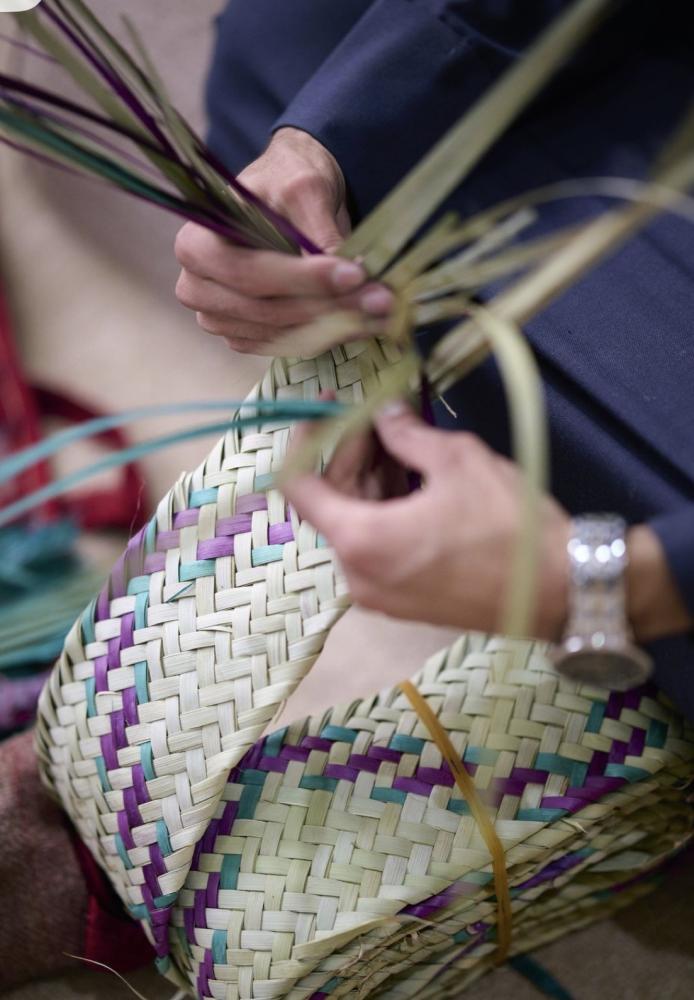
For centuries, nearly every part of the palm tree was put to use. While its fruit sustained communities, its leaves were carefully dried, split, and woven into everyday objects.
From baskets and mats to food covers, fans, and storage pieces, khous weaving reflected a remarkable understanding of how to transform a natural resource into something both beautiful and practical.
It was never simply decoration.
It was design shaped by necessity, patience, and craftsmanship.
Every woven strand carried the hands of its maker.
Why Khous Still Feels Relevant Today
Today, we are surrounded by products made quickly and replaced just as quickly.
Yet many of us are drawn to materials that feel honest.
Natural textures.
Visible craftsmanship.
Objects that show the hand behind their creation.
Perhaps this is why khous feels surprisingly modern.
Its beauty doesn't come from perfection.
It comes from rhythm, texture, and authenticity.
The subtle variations that once reflected handmade work now feel like qualities worth celebrating.
Looking Beyond Tradition
When people think of khous, they often imagine traditional baskets or household pieces.
But what if we looked at it differently?
What if khous wasn't limited to preserving the past?
What if it became a material for contemporary design?
Imagine woven panels incorporated into handbags.
Modern silhouettes softened by natural textures.
Traditional weaving paired with fine leather.
Minimal forms enriched by artisanal details.
Rather than recreating heritage exactly as it was, perhaps we can allow it to evolve.
Not by replacing tradition.
But by giving it new ways to be experienced.
Fashion as Cultural Conversation
The fashion world has long embraced traditional crafts from around the globe.
Handwoven raffia from Madagascar.
Intricate basket weaving from Mexico.
Natural fibers crafted by artisans across Africa and Southeast Asia.
These techniques are admired not only because they are beautiful, but because they tell stories of place, community, and craftsmanship.
Saudi Arabia has its own remarkable weaving traditions.
Perhaps they deserve to be part of that global conversation.
Not as souvenirs.
But as thoughtfully designed pieces that people choose because they appreciate both their beauty and the story behind them.
Why Raffia Inspires Me Too
As I've explored weaving techniques, I've also become fascinated by raffia.
Like khous, raffia is a natural plant fiber valued for its strength, flexibility, and rich texture. Around the world, artisans have transformed it into hats, bags, home objects, and fashion accessories that feel timeless yet contemporary.
What I find especially inspiring is how designers continue to reinvent raffia season after season.
It proves that natural fibers are not confined to tradition—they can evolve alongside modern design.
That thought keeps bringing me back to khous.
If raffia has become a celebrated material in contemporary fashion, could Saudi palm weaving follow a similar path while remaining true to its own identity?
A Question Worth Asking
As someone who spends a great deal of time thinking about materials, craftsmanship, and Saudi identity, I often wonder whether some of our most valuable creative resources are already here.
We have the palm.
We have generations of weaving knowledge.
We have artisans whose skills deserve to be seen.
What we may need now is a new design language—one that allows these traditions to live naturally within modern wardrobes.
Not as museum pieces.
Not as nostalgic recreations.
But as objects people genuinely want to carry every day.
The Future of Palm & Pattern
At Palm & Pattern, I've always believed that culture is something we live with, not something we simply look back on.
The objects we carry every day can become quiet expressions of where we come from.
That is why khous continues to inspire me.
Not because I believe every traditional craft should remain unchanged.
But because I believe thoughtful design has the power to help heritage grow into new forms.
So I keep returning to the same question.
Could woven palm become part of a new generation of Saudi bags?
Could the natural resources beneath our skies—and the remarkable talent within our communities—shape the future of contemporary accessories?
I don't have all the answers yet.
But I think it's a conversation worth having.
And perhaps, one day, one worth carrying.